Needle and Sharps Cleanup
Cleanup removes sharps and needles from parks, rental sites, yards and encampments.
See needle and sharps cleanupGet needles, pipes, baggies and unknown residue removed from a home, rental, workplace, vehicle or outdoor area in Barton-McFarland. Keep people and pets away, and do not touch sharps or powder.
Drug paraphernalia cleanup means carefully gathering syringes, needles, foil, pipes, baggies and similar drug debris. It also includes cleaning residue and biological contamination connected to those items from the impacted space.
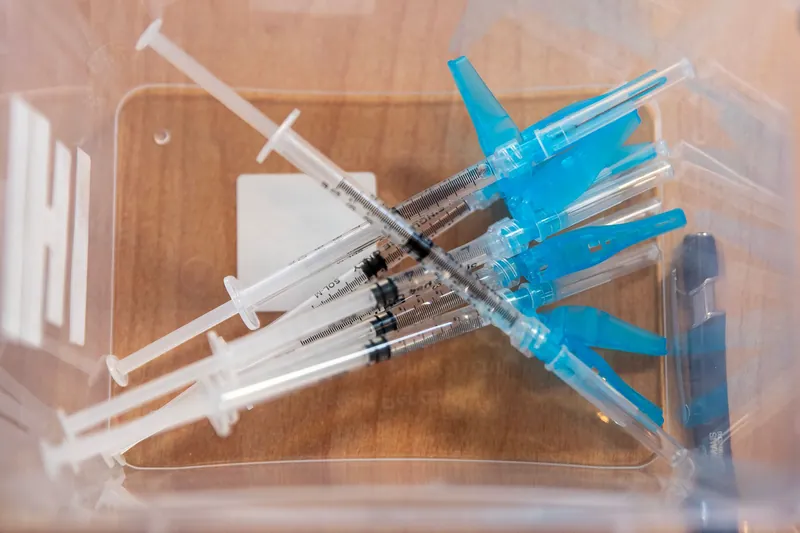
This cleanup service is used in houses, apartments, rental units, hotels, workplaces, vehicles and outdoor areas. Cleanup technicians first look for visible items and then check nearby gaps, drawers, furniture, bedding, vents and floor edges where a sharp object may be hidden. Needles go directly into a rigid sharps container. Other hazardous materials are packaged according to their condition and the applicable waste rules.
Removing loose drug debris differs from cleaning a meth lab. This service may be suitable for scattered paraphernalia or a limited amount of surface residue. Possible production signs include unusual glassware, stained containers, strong chemical smells or pressurized cylinders, and they call for another kind of response. Stay outside any suspected drug laboratory and do not touch it. Wait for direction from local fire officials or law enforcement before cleanup starts.
Personal items receive a cautious search for hidden sharps, with keepable property isolated from contaminated materials when possible.
You can choose how to move forward after hearing what needs searching or removal, what may be cleaned and which factors shape the cost.
Crews arrive in unmarked vehicles and limit attention around a home, rental, workplace or business while the affected areas are cleared.
Available waste paperwork, images and the stated scope explain the work clearly to property owners, managers, insurance companies and others responsible.
You may need drug paraphernalia removal if discarded debris or remaining residue could expose cleaners, repair workers or anyone coming onto the property. Typical situations include:
A guest room may need a careful sweep, removal of hidden sharps and cleaning before staff can safely prepare it for future use.
Families may find powder, smoking materials or sharps in a bedroom, bathroom, garage or vehicle and need help clearing the affected area.
Discarded baggies, foil, pipes or needles could be left behind across furniture, closets, cabinets and bedrooms following a move-out or eviction.
A search of each room and surrounding areas before repairs may uncover items hidden below furniture, around baseboards or in drawers.
Preventing contact comes first. Do not disturb the items unless you must act because of an immediate danger. Then use these steps:
Call (888) 440-9227Published guides skip drug paraphernalia cleanup as a separate service. Fixr's general biohazard range of $3,000 to $5,000 is the closest comparison, with $1,500 at the low end and $25,000 or more at the high end. Your job might be a small sharps sweep or a full residue cleanup. The property has to be assessed before anyone can name a price.
Published national cost guides are the source for these ranges, rather than an inspection of your property. You learn what your property will cost after the on-site assessment and before any work begins.
Ask about cost: (888) 440-9227Coverage depends on the policy, the cause of the contamination and who is responsible for the property. Ask the insurance company about biohazard cleanup before assuming the work is covered.
Save disposal documents, invoices, the cleaning scope and photographs captured from a safe location. This documentation helps describe both the findings and the completed cleanup work.
A manager or property owner often organizes cleaning of a common area or rental, then determines a tenant's responsibility from the lease and local requirements.
Homeowners or renters insurance, the estate or the property owner usually pays for this kind of cleanup. The Michigan crime victim compensation program helps only when a crime caused the loss.
Coverage under renters and homeowners policies can vary based on the cause of the contamination. When you report the problem, identify the affected area and confirm what supporting records are needed.
Cleanup begins with controlling access, then continues through a detailed search, collection, surface treatment and a closing inspection. The steps are adapted to the materials discovered and the type of property.
Cleanup technicians examine the affected areas, noting porous materials, visible needles, suspected residue and places that need close inspection.
Protective gear must match possible needle punctures, unidentified residue and related biological hazards, with the space kept restricted.
Exposed needles go immediately into puncture-resistant sharps containers through tool-assisted collection that avoids bending and recapping.
Rooms and surrounding areas are checked methodically, including drawers, floor edges, vents, furniture, bedding and other likely hiding places.
A process appropriate for the residue is used on hard surfaces, while biological hazards receive an EPA-registered disinfectant for its labeled contact time.
When complete cleaning is not possible, porous materials are isolated, recorded and wrapped to prevent sharps or residue from spreading as they are removed.
Workers secure sharps and hazardous waste in suitable receptacles, then use the permitted disposal route required for those materials.
The work area is checked again for missed items, cleaned surfaces are inspected and photos or records are prepared for the property owner.
Phone any hour. A specialist in drug paraphernalia cleanup takes your call, explains each step and agrees on a start time with you.
Serious health risks can come from contaminated materials, broken glass, discarded needles and unidentified residue. The danger is greater when contents are not known or an object is concealed.
Keep unsecured sharp objects and contaminated trash out of household bags and recycle bins. State rules and the material involved govern proper packaging, transportation and waste disposal.
The look or smell of residue cannot reveal its identity. A household vacuum, direct contact or brushing may carry residue past the original area and cause exposure that could be avoided.
A discarded needle can puncture skin and may contain blood. According to the CDC, hepatitis B remains viable on surfaces for at least seven days, which means aged-looking objects still require caution.
Can you clean it yourself? Never approach unidentified powder as if it were household dust. When one needle is found, restrict access and consult local public health instructions for disposing of community sharps. When hidden needles, bodily fluids, residue or several objects are involved, using professional cleanup can reduce puncture and cross-contamination risks.
Items that can be collected safely are removed, cleanable hard surfaces are treated, and porous materials are evaluated based on residue, puncture hazards and whether they can be cleaned fully.
The OSHA Bloodborne Pathogens Standard, 29 CFR 1910.1030, sets requirements for training, protective equipment and exposure control when workers can contact blood.
An EPA-registered disinfectant appropriate to the target organism should remain visibly wet for its complete label contact time when biological material is involved.
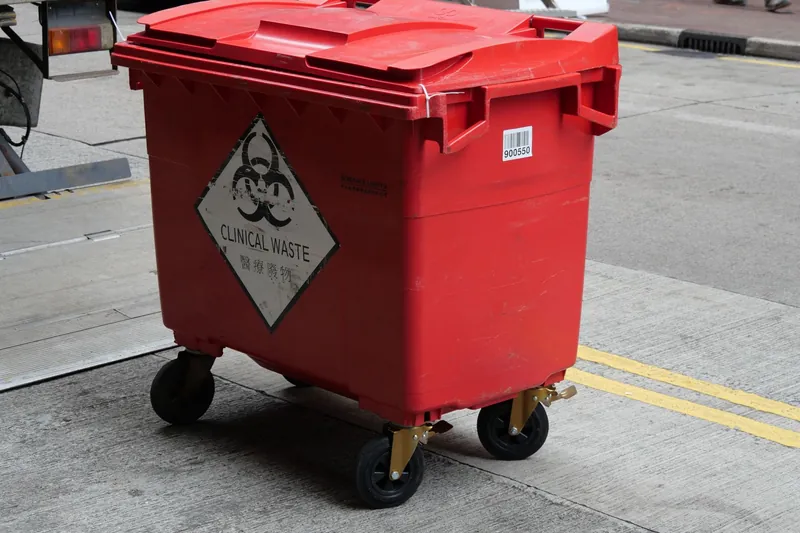
Michigan treats these materials as potentially infectious medical waste. The Department of Environment, Great Lakes, and Energy enforces rules on handling, storage, treatment and disposal, so it cannot go in household trash. Each material should be classified before transport since disposal requirements may vary among ordinary waste, sharps and chemicals of unknown identity.
Local health and building rules can affect how a contaminated room is cleaned and when it can be used again, so mention any notice you have received from the city or county. When you suspect ongoing drug production or believe an item could be evidence, wait for authorization to clean before moving anything.
The time depends on how much material is present, how widely it is scattered and whether residue or hidden sharps require detailed cleaning. A visible group of items takes less time than a full property search with porous material removal.
The full drug paraphernalia cleanup guide covers what is cleaned or removed, odor and air quality work, and the rules that apply in Michigan and Wayne County.
Read the full drug paraphernalia cleanup guideLocal housing, population and access details can shape containment, access and cleanup planning.
Barton-McFarland is listed about 4.4 miles from Henry Ford Health Hospital, a useful distance to know when someone needs a medical check after a biohazard exposure.
Because Paveway, Littlefield, and Plymouth-Hubbell are nearby, parking and equipment staging are easiest to plan once the exact entrance is known.
Because this is a neighborhood within Detroit, cleanup access may depend on local parking, common entrances, or building management rules.
You can ask about cleanup in nearby communities and ZIP codes during the call.
Cleanup removes sharps and needles from parks, rental sites, yards and encampments.
See needle and sharps cleanup
After fentanyl exposure, decontamination addresses rooms, vehicles and other surfaces.
See fentanyl decontamination
Cleanup of a meth lab covers residue testing and decontamination before the clearance process.
See meth lab cleanup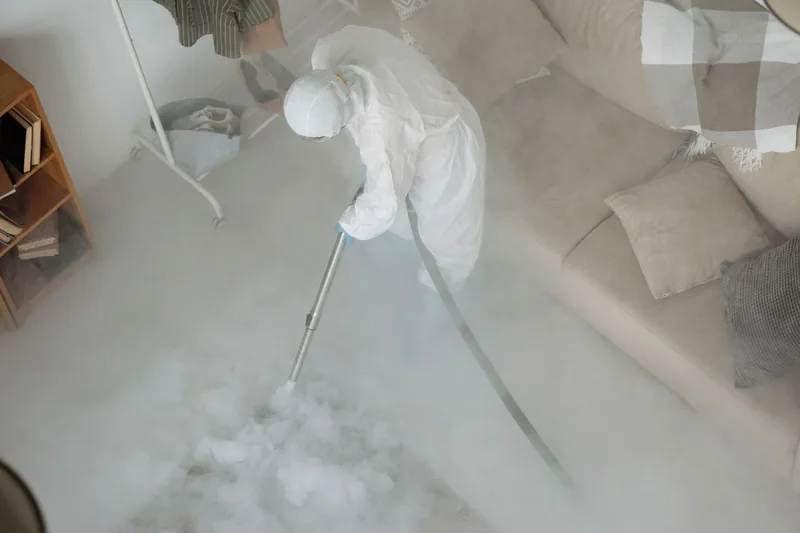
Complete decontamination treats the room, its surfaces and the air after a hazardous or infectious exposure.
See biohazard decontamination
Pickup and disposal of biohazard waste use containers that are sealed and labeled.
See biohazard waste disposal
Medical waste removal and disposal through approved treatment facilities.
See medical waste removal
Biohazard cleanup for hotels, Airbnb units and rental properties.
See hotel, Airbnb and rental biohazard cleanup
Eviction and tenant move-out cleanup of waste, fluids and filth.
See eviction and tenant Move-Out biohazard cleanupKeep children, pets and other people away. Do not touch the needle or try to bend, break or recap it. Never drop the needle unsecured into any bag. Follow local public health guidance for a single community sharp, or arrange professional cleanup when there are several needles, hidden items, residue, bodily fluids or a large area that needs to be searched.
An ordinary waste bag is not suitable for unidentified residue, syringes or loose needles. A concealed needle may penetrate the bag and harm the person carrying it. Sharps belong in an appropriate puncture-resistant container and should follow the local disposal route. When unknown chemicals, liquids or residue are involved, the remaining materials might need another type of containment.
You will not find a reliable public resource with service-specific price ranges for this work. General biohazard cleanup figures are only context and may not reflect a small sharps pickup. An assessment must come first because actual cost varies with material volume, residue, affected surfaces, the area searched and the required waste disposal path.
Collecting visible objects from one controlled space is quicker than inspecting every room. Hidden needles, unknown residue, heavy debris and contaminated carpet or furniture add work. The cleanup team needs to see the affected areas before explaining the likely schedule and whether removal can be completed in one work period.
A methodical search can check furniture seams, bedding, drawers, floor edges, carpet, vents and debris where needles are often concealed. You should not interpret any inspection as certainty that all tiny objects have been located. Good lighting, suitable tools, puncture precautions and a second inspection reduce the chance that dangerous items are left behind.
The service includes a careful search for needles, pipes, foil, baggies and related debris, collection in suitable containers, cleaning of affected hard surfaces and evaluation of porous items. If bodily fluids are present, the work also includes biohazard cleaning with the right protective equipment and an EPA-registered disinfectant used for its full label contact time.
Discreet, respectful drug paraphernalia cleanup, 24 hours a day, with crews in unmarked vehicles.